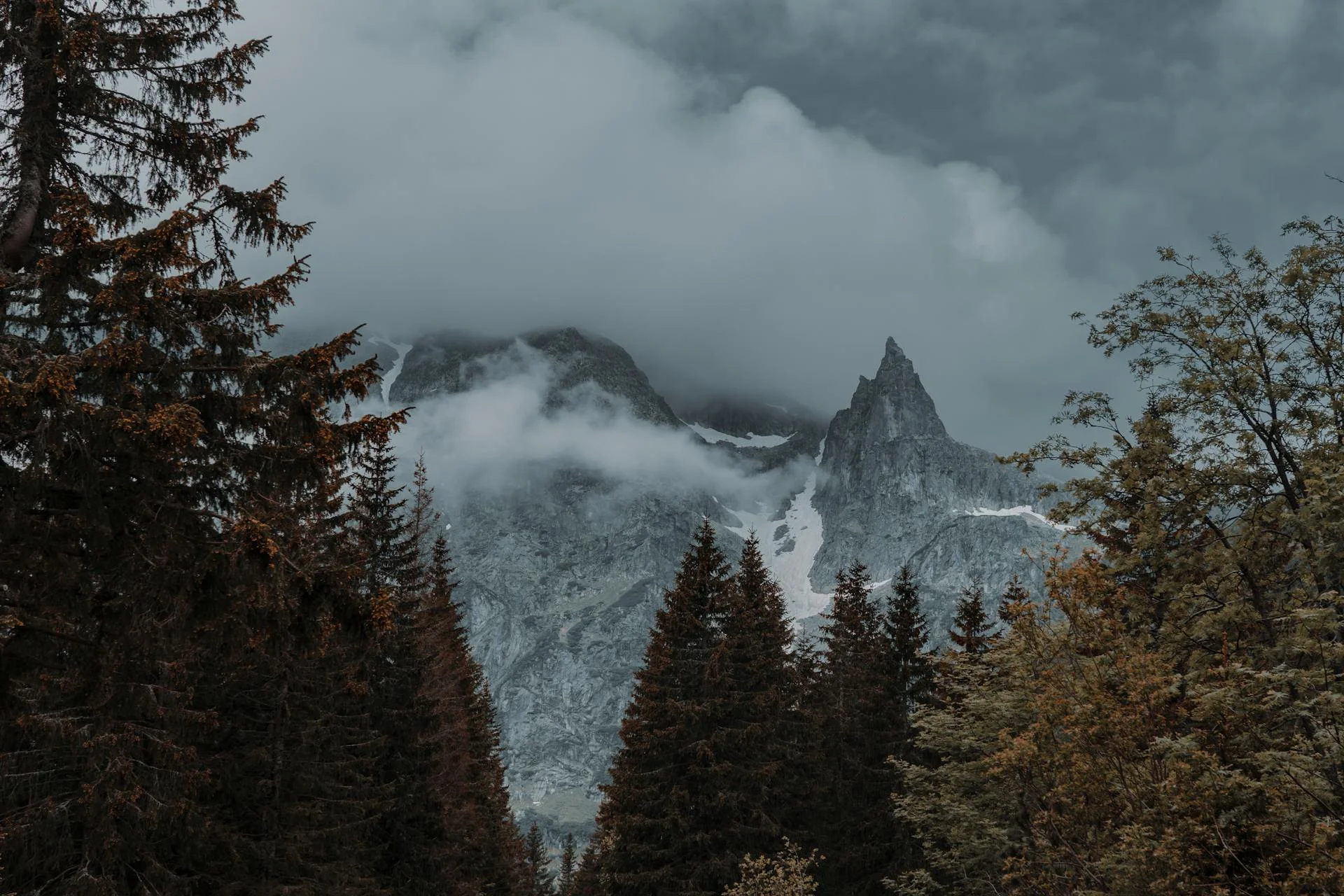
The trails of Rodnei Mountains National Park cross an extensive mountain area whose ecological diversity is protected by clear regulations. The information below is meant to give you context for the natural setting you're walking through, not to serve as a checklist for wildlife spotting.
A Reserve Dense in Species
Rodnei Mountains National Park covers 47,202 hectares, making it Romania's second-largest national park. A 3,300-hectare section was declared a UNESCO Biosphere Reserve back in 1979. Field research has identified over 4,000 species of flora and fauna in the park altogether, the result of the massif's alpine and forest biodiversity.
Protected Mammals
The park is home to several protected mammals: the chamois (Rupicapra rupicapra), marmot (Marmota marmota), Carpathian brown bear (Ursus arctos), European otter, Eurasian lynx, and European wildcat. All live freely across a large area and are wary of human presence — they're rarely seen by hikers, especially the large predators like the bear or lynx. Their presence is a marker of ecosystem health, not a guarantee you'll spot one on a hike.
Birds and Butterflies
Over 500 butterfly species and more than 150 bird species have been recorded in the park, most under national and European protection. They occupy a range of ecological niches, from deciduous and coniferous forest up to high-altitude alpine meadows.
A Plant Found Nowhere Else
The park also holds plant species of exceptional scientific value — a standout case is Saussurea porcii (known locally as "păiușul lui Porcius"), an endemic plant found only in the Rodnei Mountains. It was rediscovered in the park after more than 100 years without a confirmed sighting, and its continued presence underlines the role protected areas play in preserving unique flora.
How to Behave in the Field
Always stay on marked trails. Access rules for strictly protected zones — like the Pietrosul Mare scientific reserve, protected since 1932 — are covered in detail in our trail guide and must be followed exactly. Since the Carpathian brown bear is present in the massif, apply the standard precautions used in bear country: make some noise through wooded or low-visibility sections and store food properly. Don't leave litter on the trail, and don't pick plants from the park's protected flora.